Eco-Friendly Packaging Solutions for Personal Care Products
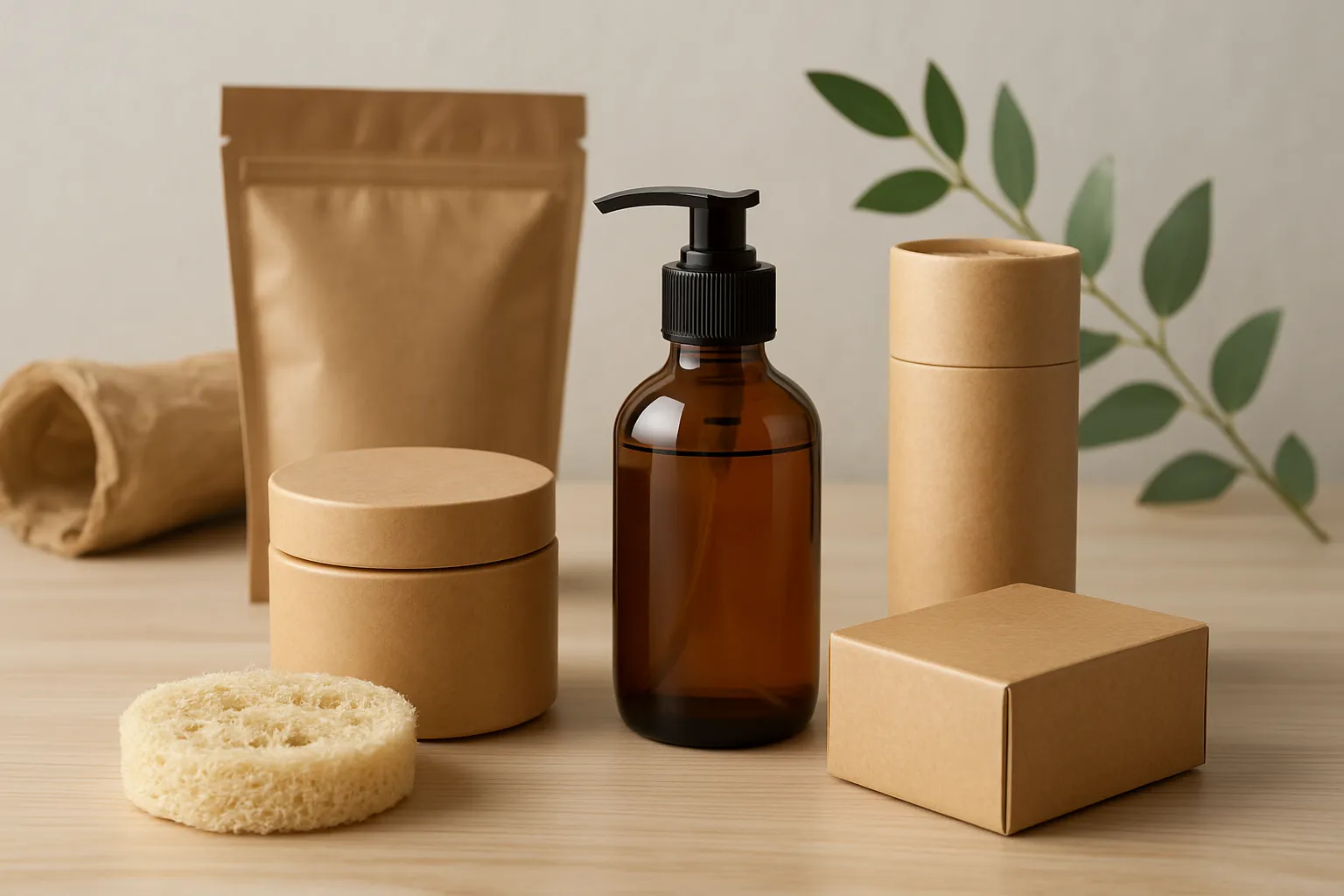
In today’s eco-conscious marketplace, the significance of sustainable packaging is more crucial than ever. Consumers are increasingly seeking eco-friendly packaging solutions that not only fulfill their needs but also resonate with their values, particularly regarding environmental responsibility. The personal care industry, encompassing cosmetics, skincare, and hygiene products, is experiencing a notable shift towards eco-friendly packaging materials. This transition is largely fueled by a heightened awareness of environmental challenges and the desire for brands to showcase their commitment to sustainability.
From my experience, as brands in the personal care sector adapt to these evolving trends, they are exploring a variety of sustainable packaging options that minimize environmental impact while still appealing to consumers. This article will delve into the types of eco-friendly packaging materials available, their benefits, and how businesses can effectively implement these solutions.
Types of Eco-Friendly Packaging Materials
The range of eco-friendly packaging materials is diverse, catering to various needs within the personal care industry. Here are some of the most popular options:
- Biodegradable Materials: These materials naturally break down over time, significantly reducing landfill waste. Common biodegradable options include plant-based plastics and certain types of paper and cardboard. They are particularly suited for brands aiming to lessen their environmental footprint.
- Recyclable Options: Recyclable packaging is designed for processing and reuse after its initial use. Materials like glass, aluminum, and specific plastics can be recycled, making them a sustainable choice for personal care packaging. Brands can encourage consumers to recycle by providing clear instructions on their packaging.
- Compostable Packaging Solutions: Compostable materials decompose into organic matter when placed in composting environments. Often made from renewable resources like cornstarch or sugarcane, compostable options are particularly appealing for brands focused on minimizing waste in landfills.
Benefits of Using Sustainable Packaging
Adopting eco-friendly packaging materials can provide numerous advantages for businesses in the personal care sector:
- Environmental Impact: By selecting sustainable packaging, brands help reduce plastic waste and lower their carbon footprint, positively impacting the environment.
- Consumer Preferences: As a significant portion of consumers prioritize eco-friendliness in their purchasing choices, utilizing sustainable packaging can attract a loyal customer base. Research indicates that consumers are often willing to pay a premium for environmentally friendly products.
- Brand Reputation Enhancement: Companies dedicated to sustainability can boost their brand image and differentiate themselves in a competitive market. This commitment can lead to increased customer loyalty and positive word-of-mouth.
Comparing Eco-Friendly Packaging Options
When evaluating eco-friendly packaging materials, businesses must consider several factors:
- Cost Analysis: While some sustainable options may have a higher upfront cost, the long-term benefits often outweigh these initial investments. Brands should consider the potential for increased sales and customer loyalty.
- Performance Metrics: It’s vital to assess how eco-friendly materials perform regarding durability, shelf life, and product protection. Packaging should maintain the quality of personal care products while being sustainable.
- Aesthetic Considerations: Packaging design significantly influences consumer appeal. Eco-friendly materials can be visually appealing and innovative, helping brands stand out on shelves.
Sourcing Eco-Friendly Packaging Materials
To implement eco-friendly packaging successfully, businesses need to identify reliable suppliers. Here are some tips for sourcing sustainable materials:
- Identifying Reliable Suppliers: Seek suppliers who specialize in eco-friendly packaging and have a proven track record. Reviews and case studies can provide valuable insights into their reliability.
- Certifications to Look For: Certifications such as FSC (Forest Stewardship Council) for paper products or Cradle to Cradle for various materials can indicate a supplier’s commitment to sustainability.
- Evaluating Material Quality: Assess the quality of materials offered by suppliers. Request samples to ensure they meet your product’s safety and durability requirements.
Implementing Eco-Friendly Packaging in Your Business
Transitioning to eco-friendly packaging involves several steps:
- Steps for Transitioning: Begin by assessing your current packaging and identifying areas for improvement. Collaborate with suppliers to find suitable eco-friendly alternatives that meet your brand’s needs.
- Overcoming Common Challenges: Common challenges include higher costs and potential supply chain disruptions. Developing a clear strategy and maintaining open communication with suppliers can help mitigate these issues.
- Case Studies of Successful Implementation: Many brands have successfully transitioned to sustainable packaging. For instance, some personal care companies have reported increased sales and enhanced brand loyalty after adopting eco-friendly materials.
Frequently Asked Questions
What are the best eco-friendly materials for personal care products? The best materials include biodegradable plastics, recyclable glass, and compostable options like plant-based packaging.
How can I measure the effectiveness of sustainable packaging? Effectiveness can be assessed through consumer feedback, sales data, and environmental impact evaluations.
What are the regulations surrounding eco-friendly packaging? Regulations can vary by region, but many countries are implementing stricter guidelines on packaging waste and recycling. Staying informed about local regulations is essential.
Conclusion
As the personal care industry continues to evolve, the shift towards eco-friendly packaging materials is not merely a trend but a necessity. By exploring sustainable packaging options, businesses can significantly reduce their environmental impact, meet consumer demands, and enhance their brand reputation. In my opinion, investing in eco-friendly packaging is a strategic decision that aligns with both market trends and corporate responsibility, paving the way for a more sustainable future in personal care.